
What Is Manifestation? A Complete Guide to Spiritual Creation
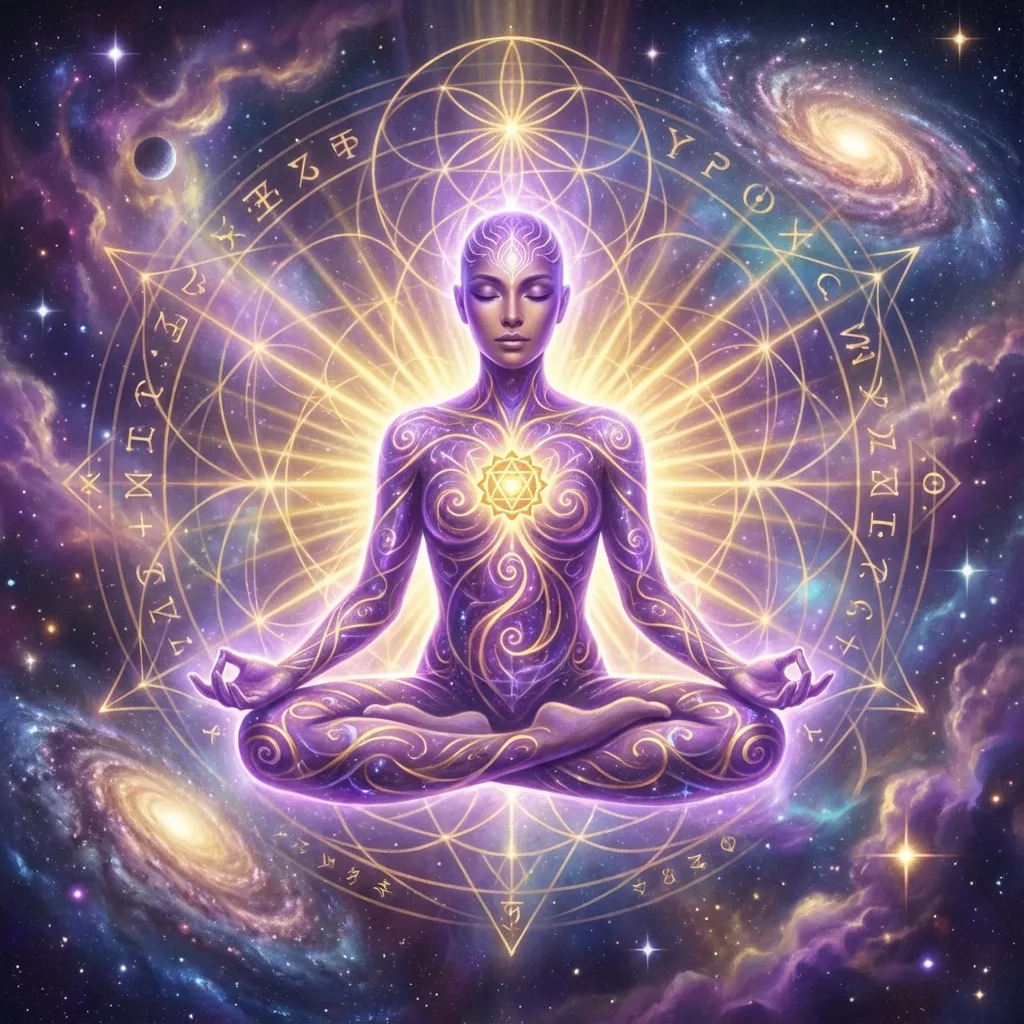
Have you ever wondered why some people seem to effortlessly attract their dreams while others struggle endlessly? The answer lies in understanding manifestation - the art and science of consciously creating your reality. But what exactly is manifestation, and how does it really work?
Quick Summary
- •Manifestation is the conscious practice of aligning your thoughts, feelings, and beliefs with a desired reality - built on the principle that everything is energy.
- •Its wisdom spans ancient Hermetic, Vedic, Buddhist, and New Thought traditions, and entered the mainstream through The Secret in 2006.
- •It works through energy vibration and your brain's Reticular Activating System (RAS), which filters opportunities that match your focus.
- •Unlike wishful thinking, real manifestation requires emotional embodiment, subconscious belief change, and inspired action - not passive hoping.
- •The five core principles are clarity of intention, emotional embodiment, belief alignment, detachment from outcome, and inspired action.
- •Manifestation is a spiritual practice and a skill - not instant or limitless - that grows with consistency and alignment to your authentic self.
In this comprehensive guide, we will explore the true meaning of manifestation, trace its roots through ancient wisdom traditions, and reveal the practical principles that make it work. Whether you are completely new to this concept or looking to deepen your understanding, this article will give you a solid foundation.
The True Definition of Manifestation
Manifestation is the process of bringing your thoughts, beliefs, and intentions into physical reality. At its core, it is based on a fundamental spiritual principle: everything is energy, including your thoughts, emotions, and desires.
When you consciously align your internal state - your thoughts, feelings, and beliefs - with what you want to experience, you begin to attract those experiences into your life. Think of it like a radio: to hear jazz, you must tune to the jazz frequency. Manifestation works the same way.
"Whatever the mind can conceive and believe, it can achieve." - Napoleon Hill
But manifestation is not just about "thinking positive thoughts." It is a holistic practice that involves:
- Mental clarity - Knowing exactly what you want
- Emotional alignment - Feeling as if your desire is already real
- Belief transformation - Releasing doubts and limiting beliefs
- Inspired action - Taking steps guided by intuition
The Ancient Origins of Manifestation
Manifestation is not a modern invention or "new age" trend. Its principles have been taught across cultures and centuries:
Hermetic Philosophy (Ancient Egypt & Greece)
The famous Hermetic axiom states: "As above, so below; as within, so without." This teaches that your outer world is a reflection of your inner world. Change your inner state, and your outer reality follows.
Hindu & Vedic Traditions
The concept of Maya in Hindu philosophy describes reality as a projection of consciousness. The ancient Vedas teach that the universe responds to focused intention and mental discipline. Practices like Sankalpa (intention setting) have been used for thousands of years.
Buddhist Teachings
Buddhism emphasizes the power of mind over matter. The Buddha taught that "what we think, we become" - a core manifestation principle. Visualization and focused attention are central to many Buddhist practices.
New Thought Movement (19th Century)
In the 1800s, thinkers like Phineas Quimby and Emma Curtis Hopkins formalized these ideas into what became the New Thought movement, directly influencing modern manifestation teachings.
Modern Popularity
The 2006 film and book The Secret brought manifestation into mainstream consciousness, introducing millions to the Law of Attraction.
How Does Manifestation Actually Work?
Let us explore both the spiritual and scientific perspectives on how manifestation operates:
The Energetic Perspective
Everything in the universe vibrates at a specific frequency - including your thoughts and emotions. High-frequency states like love, gratitude, and joy attract positive experiences, while low-frequency states like fear, anger, and doubt attract challenges. Learning to raise your vibration is therefore central to effective manifestation.
When you consistently maintain a high vibration aligned with your desire, you become a energetic match for it, and it naturally flows into your experience.
The Neuroscientific Perspective
Your brain has a filter called the Reticular Activating System (RAS). It decides what information to let into your conscious awareness from the millions of data points you encounter daily.
When you focus intensely on a goal through manifestation practices, you reprogram your RAS to notice:
- Opportunities aligned with your desire
- Resources you previously overlooked
- People who can help you
This is why after buying a new car, you suddenly see that model everywhere. Manifestation uses this same mechanism intentionally.
The RAS in Action
Before manifestation practice: You want more money but focus on bills and lack.
Your RAS filters for: Problems, expenses, limitations.
Result: You notice more problems.
After manifestation practice: You focus on abundance and opportunities.
Your RAS filters for: Side hustles, investments, promotions.
Result: You notice more opportunities.
Manifestation vs. Wishful Thinking: The Key Difference
Many people confuse manifestation with simply wishing for things. Here is the crucial difference:
| Feature | True ManifestationWINNER | Wishful Thinking |
|---|---|---|
| Mindset | Knowing it is already done | Hoping something happens |
| Focus | Grateful for what is coming | Focused on what you lack |
| Action | Takes inspired action | Passive waiting |
| Beliefs | Transformed at subconscious level | Doubt and fear remain |
| Consistency | Consistent practice & alignment | One-time thought |
As explained in our manifestation meaning guide, true manifestation requires emotional engagement, not just intellectual understanding.
The Core Principles of Effective Manifestation
Principle 1: Clarity of Intention
The universe cannot deliver what you have not defined. Vague desires like "I want more money" produce vague results. Specific intentions like "I receive $5,000 in unexpected income by January" give the universe clear instructions.
Principle 2: Emotional Embodiment
Your subconscious mind does not distinguish between real and vividly imagined experiences. When you truly feel wealthy, loved, or healthy - as if it is already true - your brain releases the same neurochemicals as if it were real, shifting your energy.
Principle 3: Belief Alignment
You might consciously want wealth, but if subconsciously you believe "money is evil" or "I do not deserve success," you will sabotage yourself. Clearing limiting beliefs is essential.
Principle 4: Detachment from Outcome
Paradoxically, you must desire something strongly enough to feel it, then release your attachment to how and when it arrives. Desperation creates resistance; faith creates flow.
Principle 5: Inspired Action
Manifestation is not magic without effort. When you receive intuitive nudges to act - apply for that job, send that email, attend that event - follow them. The universe meets you halfway.
Common Manifestation Methods
Once you understand the principles, you can apply them through various techniques:
- 369 Method - Write your affirmation 3, 6, and 9 times daily
- 555 Method - Intensive 5-day affirmation practice
- Scripting - Write your future as if it already happened
- Vision Boards - Visual representation of your goals
- Gratitude Journaling - Raise your vibration through appreciation
Beyond these, visualization and affirmations that work are two more foundational techniques worth mastering as you build your daily practice.
How Manifestation Connects to Spirituality
Manifestation is not separate from spiritual growth - it is an expression of it. Many spiritual practices enhance manifestation:
- Chakra healing clears energetic blockages that interfere with attraction
- Moon phase rituals align your intentions with cosmic cycles
- Crystal work amplifies your energetic frequency
- Meditation quiets the mind and strengthens focus
Common Misconceptions About Manifestation
Misconception 1: "Just think positive and everything will come"
Manifestation requires more than surface-level positivity. It demands deep emotional alignment and often confronting uncomfortable beliefs. This is not toxic positivity.
Misconception 2: "Manifestation means you never have problems"
Everyone faces challenges. Manifestation helps you navigate them with greater resilience and attract better outcomes, but it does not eliminate the human experience.
Misconception 3: "It works instantly"
Most meaningful manifestations take time. The process involves internal transformation that cannot be rushed.
Misconception 4: "You can manifest anything without limits"
You cannot override others' free will or manifest things completely misaligned with your soul's path. Manifestation works best when aligned with your authentic self.
Frequently Asked Questions
Q: Is manifestation the same as the Law of Attraction?
The Law of Attraction is one principle within manifestation - specifically, the idea that like attracts like. Manifestation is the broader practice that applies this and other principles. You can explore the topic further in our guide to the Law of Attraction.
Q: Can anyone learn to manifest?
Yes! Manifestation is a natural ability we all possess. Most of us manifest unconsciously every day - the practice is about making it conscious and intentional.
Q: How long does manifestation take?
It varies based on the complexity of your desire and your level of alignment. Small things can manifest in days; larger goals might take months. The key is consistency and trust.
Q: Do I need to meditate to manifest?
Meditation is helpful but not required. Any practice that relaxes your mind and connects you to your feelings - journaling, walking in nature, breathwork - supports manifestation.
Q: What is the difference between manifestation and wishful thinking?
Wishful thinking is passive hoping without emotional investment or action. Manifestation requires active engagement: clear intention, emotional embodiment, belief work, and inspired action. The key difference is feeling — manifestation demands you embody the emotion of your desire as if it's already real.
Q: Can manifestation work for health and healing?
Yes. Many practitioners report health improvements through manifestation combined with medical treatment. The mechanism works through the mind-body connection — reducing stress hormones, boosting immune function, and promoting positive behaviors. Always consult healthcare professionals for medical conditions. Our manifestation science vs superstition article explores this balance.
Q: What is the "3D reality lag" in manifestation?
The 3D reality lag refers to the delay between your internal shift and external manifestation. Your current physical reality reflects past thoughts and beliefs. When you change your vibration, the 3D takes time to catch up. This is normal and discussed in our 3D reality lagging guide.
Q: How do I know if my manifestation is working?
Look for synchronicities, increased intuition, shifting circumstances, and feeling "different" internally. Signs include unexpected opportunities, repeating angel numbers, and feeling more aligned. Our birds before land manifestation signs article covers this topic in depth.
Q: Can I manifest for someone else?
You can hold positive intentions for others, but you cannot override their free will or subconscious beliefs. The most effective approach is manifesting for yourself and trusting the Universe to arrange what serves everyone's highest good.
? Start with our beginner's guide to your first manifestation or dive deeper with Manifestation 101.
Activate Your Wealth DNA
Struggling to manifest abundance? Your Root Chakra might be blocking your financial flow. Discover the 7-minute audio that activates your wealth potential.